Urban Wildlife: How Animals Adapt and Thrive in City Life
Urban wildlife: discover the remarkable ways animals adapt to city life, from clever raccoons to songbirds, plus practical tips for peaceful coexistence.
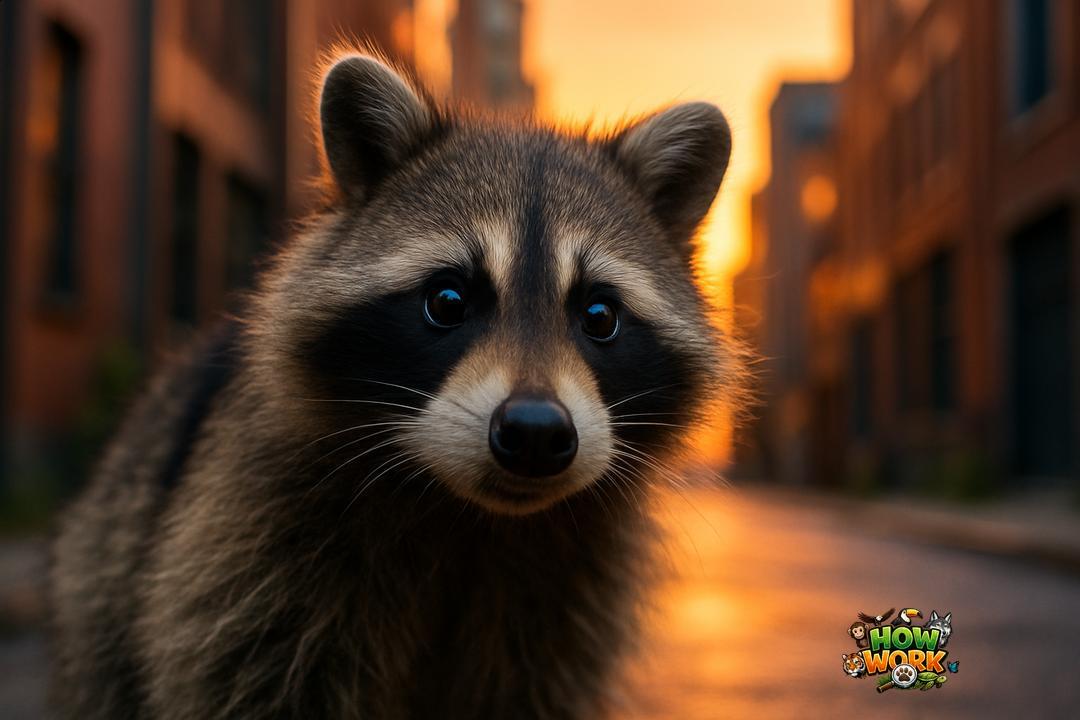
Ever watched a clever raccoon jimmy its way into a locked bin, or marveled at a falcon perched on a skyscraper? City life isn’t just for people. City streets, parks, and rooftops have quietly become home to an incredible cast of wild animals, each finding new ways to adapt, thrive, and sometimes surprise us.
With more than urban wildlife overlapping daily with humans, most city-dwellers live closer to wild animals than they realize. From adaptable squirrels changing up their diets to foxes whose bodies and minds evolve under city pressures, the animal world is rewriting its survival playbook. The city can feel like a “pressure cooker” for wildlife, rapidly shaping their health, behavior, and even gut microbiomes.
Yet, the usual advice, “just don’t feed the pigeons”, barely scratches the surface of what’s truly happening. Quick tips ignore the deep changes sparked by urban living, and rarely show how we can coexist without conflict or regret.
This article digs far deeper. You’ll get a front-row look at how animals are transforming to meet city challenges, ways to peacefully coexist, and why their stories matter for our neighborhoods and beyond. Get ready to see your city, and its wild neighbors, with a fresh set of eyes.
What exactly is urban wildlife? Definitions and misunderstood species
Urban wildlife describes wild animals that live and adapt to city life. These new urban dwellers have become more common sights where people once expected only pets or pests. Our wild neighbors are thriving in parks, neighborhoods, and even downtown rooftops.
Common urban wildlife species
City survivors include familiar faces like pigeons, squirrels, raccoons, foxes, and even monkeys in some places. In Brazil, the city of Campo Grande is famous for wild macaws nesting in rooftop holes. House mice, insects like cockroaches, and geckos also belong to this group. According to recent sources, cities now shelter hundreds of wild species, not just a handful of usual suspects.
If you want to spot urban wildlife, start by taking a quiet walk at dusk through a local park. Don’t forget to look up: owls and falcons have started hunting right above big city streets.
Why some animals thrive in cities
Urban animals adapt to city life because cities offer steady food, mild winters, and fewer natural predators. Another angle: Deforestation and shrinking wild habitats can push these species to seek new homes among humans. Urban gardens, parks, and food waste create easy meals for these adaptable animals.
Experts suggest that less use of pesticides and fewer hunters in cities help animals feel safer. If you want to help them, secure your trash cans and grow native plants, they support struggling wildlife.
Misconceptions and surprising newcomers
Not all “urban wildlife” are pests or wanted guests. A common myth is that feeding wild animals helps, but this can spread disease (for example, a simple cold virus can be deadly to marmosets). Urban areas can become safe havens for vulnerable wildlife if people and policy support them.
Watch for surprising species: Owls and hawks now nest in skyscrapers, and even unexpected creatures like frogs and rare birds sometimes turn up in city lots. If you’re curious, join a citizen science group, they often share tips and apps for recording city wildlife sightings.
How animals adapt: Behavior, diet, and new survival strategies
Animals in cities adapt fast. They change how they eat, where they live, and how they solve problems. These urban survivors use smart moves to take on city life.
Changing diets in the city
Urban diets mean eating what’s available. Animals like raccoons, rats, and foxes feast on garbage, pet food, and restaurant scraps. City pigeons and gulls snack on human leftovers, showing how easily animals use what people toss away.
If you want to keep wildlife healthy, secure your trash cans and never feed wild animals on purpose. It helps them stick to more natural foods when possible.
Urban nesting and denning
Urban nesting requires creativity. Birds and small mammals turn building ledges, traffic signs, and even air conditioner units into homes. In some cities, you might spot falcons or owls nesting on high-rise rooftops, while squirrels and raccoons use attics and chimneys.
To support these animals, try installing nest boxes in safe spots, or plant shrubs and native trees. This gives urban wildlife real choices for safer nesting.
Learning from humans: Intelligence and problem-solving
Animal smart moves in cities are next level. Some urban birds and mammals watch people, learning new tricks. Crows have learned to use traffic to crack nuts or bend wires into hooks to dig out food. Research shows that city pigeons can solve basic puzzles, and rats memorize subway routes to find food faster.
Next time you see a crow or squirrel acting clever, watch closely, they’re constantly picking up skills just by watching city life in action.
The downside: Challenges and conflicts between humans and wildlife
Living with urban wildlife isn’t always smooth. Coexistence brings real challenges for people and animals alike. Here’s where the biggest conflicts pop up, and ways to handle them.
Property damage and messes
Animals can cause property damage and messes when searching for food or shelter. Bears are known for raiding trash bins in US suburbs, and raccoons can tear up roofs or attics. In some rural or farming areas, monkeys and chimpanzees invade fields and plantations, destroying crops.
To reduce messes, store garbage in closed bins and block animal entry points around your home. This protects property and keeps animals safe, too.
Disease concerns
Disease risk goes both ways when wildlife and people mix. Many city animals carry parasites or viruses that can sometimes spread to pets or humans. Over 75% of wild cats face conflict-related injuries or deaths worldwide, often due to disease or direct clashes with humans.
Washing hands after handling pet food outdoors, and keeping pets’ vaccinations up to date, are smart ways to lower risk for everyone.
Noise, light, and habitat loss
Noise and light pollution can drive animals out of their homes. Roads, building lights, and city sounds disrupt wildlife, making it hard for them to breed, rest, or find food. Habitat destruction often comes from expanding neighborhoods and new roads.
Support local education and conservation programs. Planting native trees or joining a neighborhood effort to reduce nighttime light can give city animals a better shot at survival.
Hidden adaptation: How city life reshapes animal health and biology
City life changes animal bodies in subtle ways. Stress, new foods, and crowded spaces all push wildlife to adapt, sometimes deep down in their biology.
Stress and immunity in city animals
Urban stress can weaken immunity in animals, making them prone to sickness or injury. Loud noises, bright lights, and close encounters with people create chronic stress for city wildlife. Experts found that animals may reproduce sooner but face more immune problems than their rural cousins.
Green spaces and parks where animals can hide help reduce city stress, support them whenever possible.
Gut microbiomes: The invisible adaptation
Gut microbiomes change with urban diets. Animals that snack on trash or processed foods develop different gut bacteria than wild-living relatives. For example, coatis in the US prefer sugary foods, while New York’s subway mosquitoes even shifted their diet to feed mostly on people.
If you feed birds or other wildlife, stick to natural foods like seeds and fruits. This helps their bellies stay healthy over time.
Urban evolution
City animals evolve unique traits to survive urban life. Some lizards in cities now have stickier feet to climb smooth walls. Generalist animals with flexible diets become “genetic survivors,” changing faster than more specialized species. Berlin is an example of a city that acts as a biodiversity oasis, letting threatened species thrive when green areas are managed well.
Planting native trees and supporting natural habitats helps urban wildlife keep evolving in healthy ways.
Coexisting peacefully: Practical ways to help urban wildlife and reduce conflict
Peaceful coexistence with wildlife is possible. With the right steps, we can enjoy city nature and help animals feel at home, even in busy neighborhoods.
Wildlife-friendly gardening and landscaping
Wildlife-friendly gardens use native plants and water sources to invite animals back. Planting local trees and flowers boosts birds, bees, and butterflies. Even a small window box or balcony garden can support dozens of species.
Try hanging up a nest box or letting wildflowers grow in part of your yard. These simple steps create real safe spots for urban animals.
Handling conflicts humanely
To solve conflict humanely, skip poisons and traps. Secure rubbish, fence off gardens, and use motion-activated lights to keep wildlife out of trouble. Education campaigns have shown that when people understand why animals act a certain way, they’re more likely to find kind solutions.
Many experts recommend talking to local wildlife groups if you face repeated problems, often, a small fix works better than harsh action.
Citizen science: Getting involved
Citizen science lets anyone help track urban wildlife. Free apps like iNaturalist and eBird let you record sightings and add to research. Community cleanups and city nature walks also spread awareness and bring neighbors together for simple nature action.
Even snapping a photo of a city fox or unusual bird can connect you and your community to conservation projects worldwide.
The future of urban wildlife: Designing cities for humans and animals together
The future of cities includes wild neighbors. It’s all about creative design, smart technology, and a spirit of empathy. These steps can make room for animals and people to share urban space safely.
Wildlife corridors and green space design
Wildlife corridors connect habitats across busy cities. Green bridges and tree-lined streets allow animals to travel for food, mates, or shelter. The Netherlands and the UK have built hundreds of these pathways, protecting endangered animals and birds.
If you live near such a corridor or park, support local efforts to keep them green and open for all creatures.
Technology for monitoring urban animals
Urban animal tracking uses smart tech like sensors, cameras, and mobile apps to study wildlife without disturbing them. Biologists use this data to spot where animals cross roads or face risks. Some cities even have live animal cams you can watch online, letting everyone see what happens after dark.
Try supporting or following these wildlife projects, your own photos or sightings can help researchers map animal movements, too.
Building empathy through education
Education and empathy lead to lasting change. Schools and city programs often bring youth into nature projects or citizen science. When people know more about local wildlife, they’re more likely to care.
Join nature walks, attend talks at your local zoo or park, or pitch in at a city cleanup, small actions build a culture where all species can thrive in future cities.
Key lessons from urban wildlife: What city animals teach us about resilience
Urban wildlife teaches us resilience by showing how animals adapt, recover, and thrive in ever-changing city landscapes. These “city survivors” demonstrate that flexibility and creative problem-solving can turn even tough places into true homes.
A key trait is being a mobile generalist: animals like raccoons or pigeons sample many foods and flip between safe spots with clever timing. Others, such as urban coyotes and beavers, change breeding habits and even shape their surroundings. In London, beavers have begun building dams that protect against floods and naturally manage water levels.
Studies of 379 global cities show these lessons aren’t rare: animals and cities everywhere prove that adaptability and ecosystem health go hand in hand. More wildlife means a cleaner environment, natural pest control, and less need for chemicals that hurt biodiversity.
For people, the message is clear, practice flexibility over rigidity. Connect your “habitat” with neighbors, rethink what waste could be put to good use, and support green spaces that cool your community and give everyone a better shot at thriving. Observing urban wildlife isn’t just fascinating, it’s a practical guide for tackling challenges with resourcefulness and respect for the web of life around us.