Lifespans in the Wild: From Mayflies to Immortal Jellyfish
Animal lifespans explored, from fleeting mayflies to long-lived jellyfish. Discover what shapes longevity, with practical facts and surprising examples.
Ever stopped to wonder why some animals vanish in a blink while others seem to outlast generations? Animal lifespans are among nature’s greatest puzzles, one that goes beyond trivia and touches how we see time, aging, and even our role as humans in the natural world.
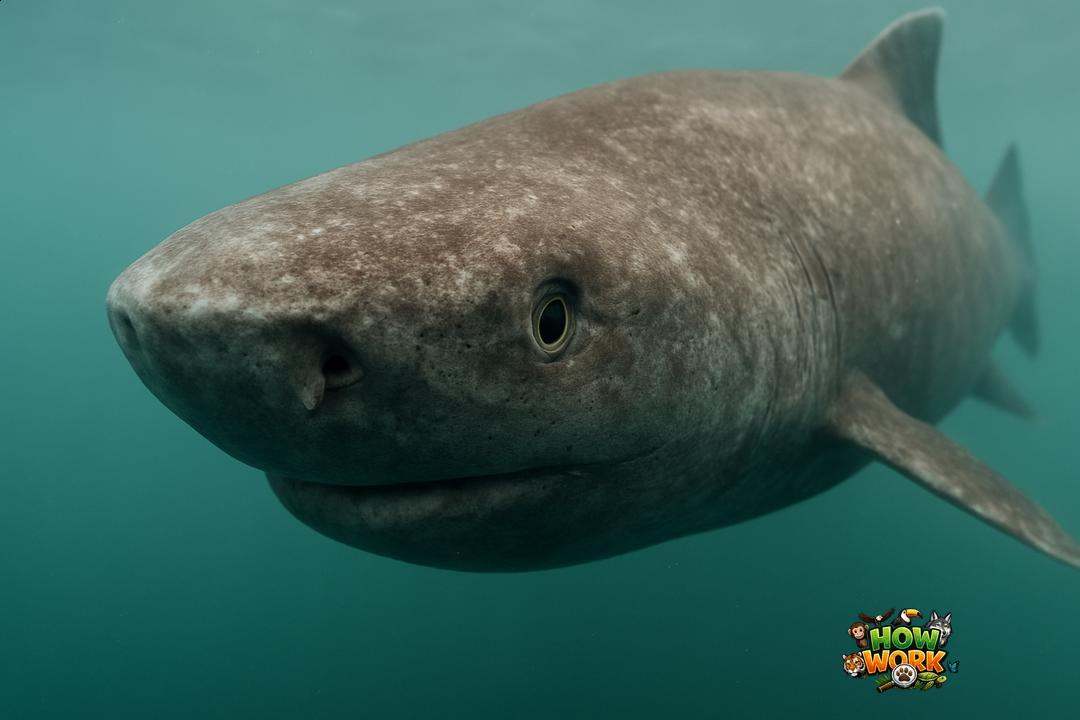
Scientific studies now reveal the extremes in lifespans: mayflies living barely a day, bowhead whales reaching two centuries, and the legendary Greenland shark potentially celebrating half a millennium. This vast range isn’t just interesting, it shows how animal lifespans reflect deep interactions between genetics, environment, and biology. Understanding these patterns is a growing interest for wildlife lovers, parents, and anyone curious about aging from a scientific and practical angle.
Most content glosses over the details or dazzles with odd facts, missing the bigger picture: what truly determines how long a creature can live, and what can humans learn from these evolutionary experiments? Quick “top-ten” lists rarely explain the real science or offer practical context, leaving out why these details actually matter in daily life or conservation decisions.
This article delivers the full story. We’ll explore up-to-date research, real-world examples, and clear takeaways. From insects with lives measured in hours to mysterious creatures that may never truly die, you’ll get a fresh, actionable perspective on longevity, plus a few jaw-dropping facts your friends definitely haven’t heard.
What defines animal lifespan: genetics, environment, and metabolism
What makes some animals age quickly and others enjoy decades or even centuries of life? Animal lifespan is shaped by genetics, the world around them, and their biology, but the story is full of surprises. Let’s break down what truly decides how long living creatures last.
Genetic programming and longevity
Genetic programming sets an animal’s basic potential lifespan. Scientists find that body mass predicts lifespan for around 63% of species. Larger animals, like elephants and whales, often live longer. In primates, bigger brains are linked to extended lives too.
But genetics is more than size. Some species are coded to repair their bodies better or resist certain diseases. That’s why many parrots or tortoises shock us with their decades-long lives. For pet owners, knowing your animal’s genetic background can help set realistic expectations for care and longevity.
Role of environment in lifespan variation
The environment shapes how long an animal can actually survive. Cold habitats make a difference. Animals in chilly places or with low body temperatures tend to live longer. For example, Arctic whales can cross 200 years in icy waters.
Sheltered environments or healthy diets let some animals reach their full lifespan potential. In the wild, predators and harsh weather cut lives short; in safer settings or with good nutrition, animals may outlive their counterparts. Give your pets clean, safe spaces and you can boost their chances for a longer, healthier life.
How metabolism affects aging
Metabolism is the speed of life processes like growth and energy use, but its link to lifespan is tricky. Some believed slower metabolism always means a longer life, but recent studies show it’s not that simple. In mammals, fast metabolism sometimes equals longer lives. In birds, researchers haven’t found a strong link at all.
“There’s a lot left to learn,” says aging expert João Pedro Magalhães. Watching how we feed and exercise animals really matters, for both pets and wildlife. The takeaway: while you can’t change an animal’s genes, offering good food and letting them avoid stress can help tip the scales toward a longer life.
Record holders: shortest and longest animal lives on Earth
Animal life can be a blink, or a centuries-long saga. Some species seem to race the clock, while others outlast entire civilizations. Let’s meet the true record holders.
Animals with the shortest lifespans
The shortest-lived animal is the adult mayfly, which survives for about 24 hours. Some female mayflies live just 5 minutes. That’s barely enough time to mate and lay eggs.
Among vertebrates, the pygmy goby is the record holder, living only 59 days. Another blink-and-you’ll-miss-it life: Labord’s chameleon, which lasts just 2–5 months in the wild. If you want to keep short-lived fish or insects as pets, focus on water quality and food, they pack a lot into a short time.
Remarkable long-lived species: whales, sharks, and clams
Whales, sharks, and clams lead the way for longevity in the wild. The bowhead whale can live over 200 years. Greenland sharks are also believed to approach similar ages.
But the real stars are clams. Ming the clam (an ocean quahog) lived a stunning 507 years, making it the oldest animal ever recorded. Careful scientific work, like counting shell growth rings, helps measure these impressive ages. For pet tortoises and fish, routine checkups and stable environments can add years to their lives.
The story of ‘Ming’ the clam and other longevity legends
Ming the clam lived from 1499 until it was found in 2006. That’s half a millennium on the ocean floor before researchers discovered its secret.
Scientists confirmed Ming’s age by counting its shell’s growth rings, similar to tree rings. Other legendary elders include Harriet the Galápagos tortoise (175 years) and Aldabra giant tortoise (194 years). The lesson? Nature has a few time-defying champions. If you have a pet that might live decades, plan ahead, some family animals could outlive their owners.
The science behind aging: what modern research reveals
Aging seems like a slow countdown, but new science is flipping old ideas upside down. Researchers are finding clues in our cells and DNA that help explain why animals, humans included, age the way they do. Let’s dive into what they’ve discovered so far.
DNA methylation clocks
DNA methylation clocks measure biological age by reading chemical marks on DNA. They work in dozens of mammals, including humans, by checking patterns called CpG sites. When tested, some of these clocks predict biological age with a margin of error of less than 1 year.
Steve Horvath, a leader in this field, found that about 5% of people age faster than their birth certificates suggest, putting their health at risk. Methylation clocks can help us track healthy aging, spot risks early, and even change how doctors think about prevention.
Key discoveries from recent longevity studies
Modern research shows aging follows patterns, not just random damage. Young and old animals both show DNA changes linked to aging. Studies from 2021 highlight how mutations and epigenetic changes combine to spell out each species’ “aging script.”
One 2017 meta-analysis showed that faster-ticking methylation clocks can warn us early about risk for diseases like cancer. The big takeaway? Scientists now agree aging is a regular process our bodies manage, not just a breakdown.
Debates on natural versus maximum lifespans
Experts now debate if aging has limits set by our biology. Some clocks show a strong link between a species’ methylation changes and its maximum possible age. For example, Delta.Age numbers (difference between clock age and real age) line up closely with animal longevity.
This means biological “ceiling” may exist, suggesting it’s hard to push past certain limits, no matter how we try. For humans, that ceiling is thought to hover around 120-122 years. If you want to stay on the “slow track,” focus on proven longevity boosters: healthy food, low stress, and regular checkups. Science can track your progress, but healthy habits still do the heavy lifting.
Captivity versus the wild: how lifestyle impacts lifespan
Living in a zoo or home can change how long an animal lives, but not always in ways you’d expect. Let’s see how captivity stacks up against wild living, and why the results differ so much.
Why lifespans differ in captivity
Lifespans differ by species when animals live in captivity versus the wild. Fast-living mammals like lions and small carnivores can reach 2–3 times longer lifespans in zoos thanks to shelter, steady food, and medical care. But it’s not true for every animal. Elephants and orcas, for example, often have shorter lives in captivity due to stress and unnatural settings.
If you own pets, knowing your species’ needs is key, some thrive in human care, but others may not reach their full potential.
Stress, diet, and healthcare effects
Diet, stress, and healthcare shape health and longevity in captivity. Captive elephants live only 17–40 years compared to 60–70 years in the wild. High stress, 75% obesity, and foot disorders are common. Orcas in captivity face 2.5× higher mortality than wild ones and almost never reach menopause, signs of chronic health issues.
Lions show the upside: they can live up to 30 years in zoos (just 15–16 years in the wild) due to reliable food and less violence. For all captive animals, enrichment and proper diets can help counter stress and boost wellbeing.
Ethical debates on longevity in zoos and homes
The real debate isn’t just about how long an animal lives, it’s how well it lives. Experts warn that “survival without well-being” isn’t enough, especially for intelligent, social species like elephants and orcas.
Some argue zoos help by protecting endangered species and giving medical care. Others say that if animals suffer chronic stress or lack natural behaviors, longer life is not a real win. If you care for pets or support zoos, always ask: “Does this animal get to live well, not just live long?” That’s what matters most, for your pet and for wildlife around the world.
What animal longevity teaches us about nature, and ourselves
Nature is full of extremes, and animal longevity highlights them in remarkable ways. When we look at the lives of different species, from a day-long mayfly to a 500-year-old clam, it’s a reminder that life is shaped by more than just luck or size.
Long life depends on balance. Genetics play a role, but environment, daily habits, and a bit of randomness matter too. The bowhead whale’s two centuries of life and Ming the Clam’s five centuries weren’t just magic, they reflect successful adaptation and survival tricks passed down over generations.
For us, watching how animals thrive or struggle can inspire thoughtful care. Studies show that small changes, clean habitats, healthy diets, reducing stress, can add years even for our pets. Genetics and lifestyle both matter in the animal world, and the same is true for humans.
Caring shapes longevity. Providing enrichment for pets, or supporting wildlife habitats, isn’t just good for animals. It teaches us empathy, responsibility, and how interconnected all life on Earth truly is. As you care for your own animal companions, or just enjoy learning about wildlife, remember: every choice we make ripples outward, affecting lives far beyond our own.